Trusted By








You grew on referrals and relationships, and it worked. But the rules changed: hurdles are up and margins are down. A sales engine that doesn't depend on you is how you keep growing, and what makes the business worth more when you sell.
14 questions · about 3 minutes · or skip straight to a Clarity Call →





Hurdles up. Margins down. Most owners work harder every year just to stay in place. It's not you.
Clients expect more for less.
They want your clients and your people.
More calls, more spend, less return.
For most MSP owners, the answer is sales. Not because they're bad at it. Because they are it. The pipeline only moves when you move. That's not a sales process. That's a personality.
You built a multi-million dollar business on relationships, then an anchor client got acquired and finding new business turned out to be foreign.
Good meetings go cold. Proposals sit. Warm introductions disappear. Not for lack of leads. For lack of a system that remembers.
Every deal routes through you. You can't hire out of it because there's no documented process to hand anyone.
What buyers pay for the same MSP. Under 3x profit when sales run through the owner. About 4.5x when they run without. (Value Builder)
Before we build anything, we sell. Our SDR works inside your business for two weeks while we interview your team and score what we find. You get a clear prescription you keep whether we work together or not.
Where revenue comes from and what your clients buy elsewhere.
Who owns sales and how well the team uses its tools.
Who you target, what you say and how consistently you follow up.
Where automation helps, and what needs a human.
How deals move, where they stall, and what still needs you.
Planning to sell in the next few years? We'll show how removing founder dependence moves your valuation.
This isn't set-it-and-forget-it. Every system is bespoke. I meet you where you are, because no two MSPs break the same way.
Week one, it found five people who had already completed my
diagnostic and never heard back from me. One of them scored 94.
He'd been waiting sixty-seven days.
I wasn't lazy. I was busy. That is exactly what breaks it.
Real selling first. AI second. Before we automate anything, our SDR sells inside your business the traditional way: calls, outreach, follow-up, real conversations. We learn how deals actually move in your world. Then we build the system around what works. You stay in charge; it handles the busywork and keeps every follow-up on time.
Your ICP, your motion, your voice, your offers, learned by selling with your team, not pulled from a template. Most AI fails here. It has no idea who you sell to or how you win. Ours does, because we've been in the room.
Pipeline, calls, email, CRM, calendar and proposals pulled into one layer. You stop asking where things stand. The answer is already assembled.
A morning brief that reprioritizes the business, not a task list. Pre-call prep before every meeting. And the hard part: what you missed. The buying signal, the aging deal, the commitment you made and forgot.
Follow-up sequences, proposal generation, CRM hygiene, meeting capture, outbound campaigns. Light-touch messages, in the owner's voice, every one held for written sign-off before it moves. Scored and queued with an approval gate. Nothing goes out in your name that you didn't clear.
The hours that come back go into selling and relationships. That's the whole point. The machine takes the admin so you can be human in the room.
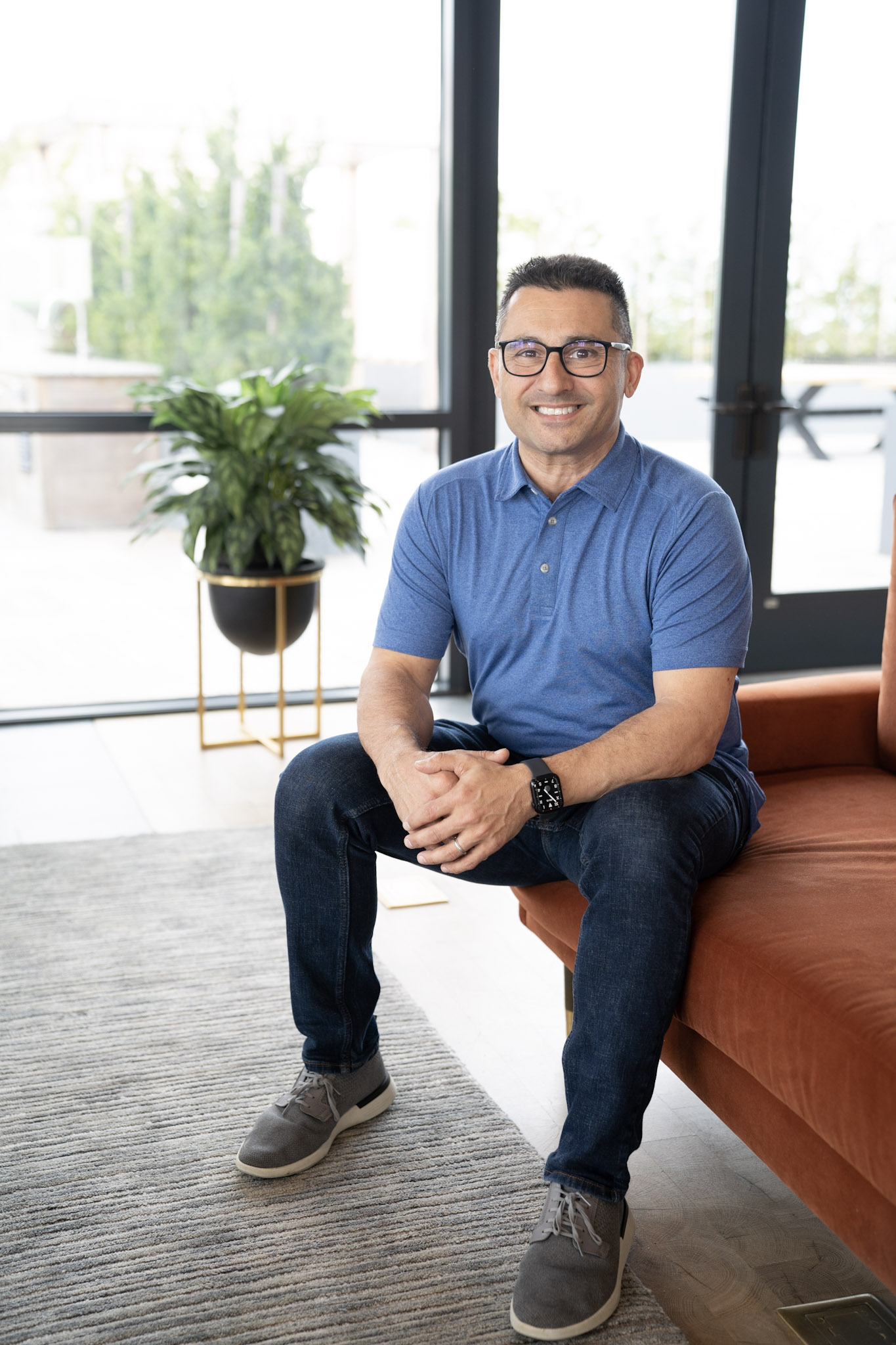
I've had MS since 18. I was diagnosed at 52. In between, I spent 30 years selling for Cisco, Presidio, Lumen and Nextiva, until I couldn't.
So I rebuilt. My health first, then my business. Our team now goes inside MSPs and does the same for their sales.
Our SDR sells inside your business while we interview your team and score five areas. You get findings and a clear prescription, yours to keep either way.
Built around what the diagnosis found. Installed in your business, owned by you. We teach your team to run it. We don't hand you a login and leave.
For the right fit: ongoing optimization, co-selling, and shared upside. Not a retainer you forget about. A partnership where we both have skin in the game.
Fourteen questions. About three minutes. You get the scorecard whether or not we ever work together.
Or if you already know what's broken: Book a Clarity Call →